
Quick Answers





What Is a Tool Turret in CNC?
- July 28, 2025
- Jason Chang
- 6:17 am
In the world of CNC machining, tool turrets play a crucial role in increasing efficiency and productivity.
Understanding what a tool turret is and how it functions can help engineers in the manufacturing industry optimize their machining processes.
This article will delve into the details of tool turrets, explaining their purpose, components, types, and benefits.
What is a Tool Turret?
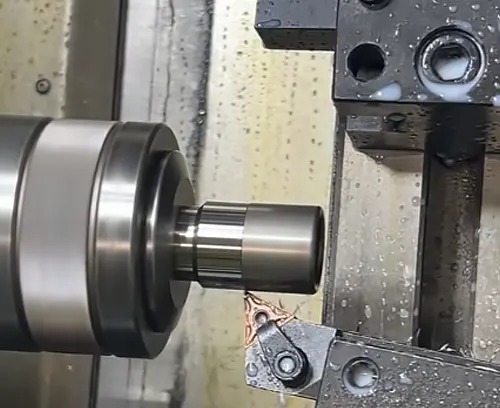
A tool turret is a device used in CNC (Computer Numerical Control) machining to hold multiple cutting tools that can be quickly indexed and selected during the machining process.
Tool turrets are designed to enhance the efficiency of machining operations by reducing tool change times and increasing overall productivity.
Components of a Tool Turret
A typical tool turret consists of several key components, including:
- Tool Holders: These are used to secure cutting tools in place within the turret.
- Indexing Mechanism: This mechanism allows the turret to rotate and position different tool holders in front of the cutting tool.
- Drive System: The drive system powers the rotation of the turret, enabling quick tool changes.
- Tool Selection Mechanism: This mechanism enables the CNC machine to select a specific cutting tool from the turret based on the machining requirements.
Types of Tool Turrets
There are various types of tool turrets used in CNC machining, each offering specific advantages based on the requirements of the machining process. Some common types include:
1. Single-Station Tool Turret
A single-station tool turret holds only one cutting tool at a time.
While it may not offer the same level of tool versatility as multi-station turrets, single-station turrets are often used in applications where tool changes are infrequent or where space is limited.
2. Multi-Station Tool Turret
Multi-station tool turrets can hold multiple cutting tools simultaneously, allowing for quick tool changes and increased machining flexibility.
These turrets are ideal for complex machining operations that require a variety of tools.
3. Automatic Tool Changer (ATC)
An automatic tool changer is a type of tool turret that is equipped with a robotic arm or other automated mechanism for changing tools.
ATCs offer high-speed tool changes and can significantly reduce downtime during machining operations.
Benefits of Using a Tool Turret
Utilizing a tool turret in CNC machining provides several key benefits, including:
- Reduced Tool Change Times: Tool turrets allow for quick and efficient tool changes, minimizing downtime and increasing productivity.
- Increased Machining Flexibility: Multi-station tool turrets enable a wider range of cutting tools to be used in a single setup, enhancing machining capabilities.
- Improved Accuracy and Consistency: By automating the tool selection process, tool turrets help ensure that the correct tool is used for each machining operation, resulting in consistent and precise parts.
- Enhanced Efficiency: The ability to switch between tools quickly and seamlessly improves overall machining efficiency, leading to faster production cycles.
Conclusion
Tool turrets are an essential component of CNC machining, offering a range of benefits that can help streamline manufacturing processes and improve productivity.
By understanding the purpose, components, types, and advantages of tool turrets, engineers in the manufacturing industry can make informed decisions to optimize their machining operations.